
Routine Eye Care
Regularly scheduled eye health examinations are essential in determining the need for glasses or contact lenses (refraction), while monitoring the general health of your eye and screening for eye disease.
Regularly scheduled eye health examinations are essential in determining the need for glasses or contact lenses (refraction), while monitoring the general health of your eye and screening for eye disease.

Keeping your eyes healthy is an important part of maintaining your overall wellness. As we age, vision loss or impairment may interfere with a person’s physical and financial abilities as well as have an emotional impact on their quality of life. Healthy vision ensures you can see your best while participating in daily activities such as reading, driving, cooking, playing sports, or working at the computer.
Getting regular eye exams helps you to see as clearly as possible while monitoring for any signs of disease. Many eye diseases, such as glaucoma, macular degeneration, and diabetic retinopathy, do not have obvious symptoms until it’s too late, when vision loss has already occurred. A comprehensive eye exam can help in the early detection of diseases, thereby, preventing or limiting vision loss to begin with.
An additional benefit of comprehensive eye exams is that they also aid in discovering other health problems such as high cholesterol, high blood pressure, and diabetes.
Your optometrist or ophthalmologist will recommend how often you need an eye exam. However, it is generally recommended healthy children and adults should get an eye exam every two years. Adults over 65 and those who have certain conditions such as diabetes should get a yearly eye exam.
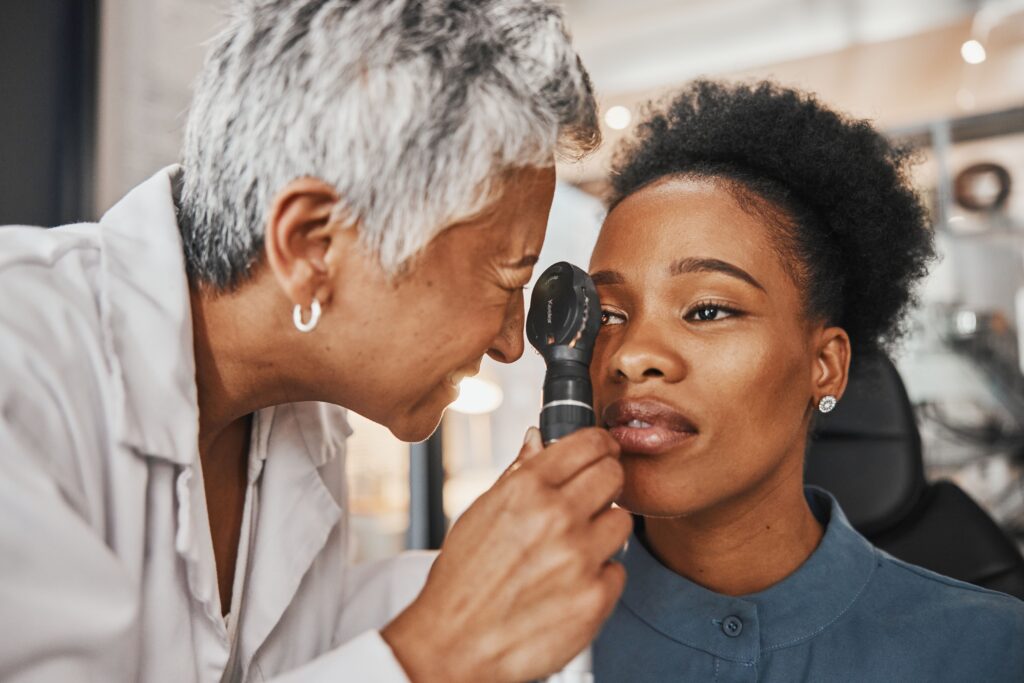
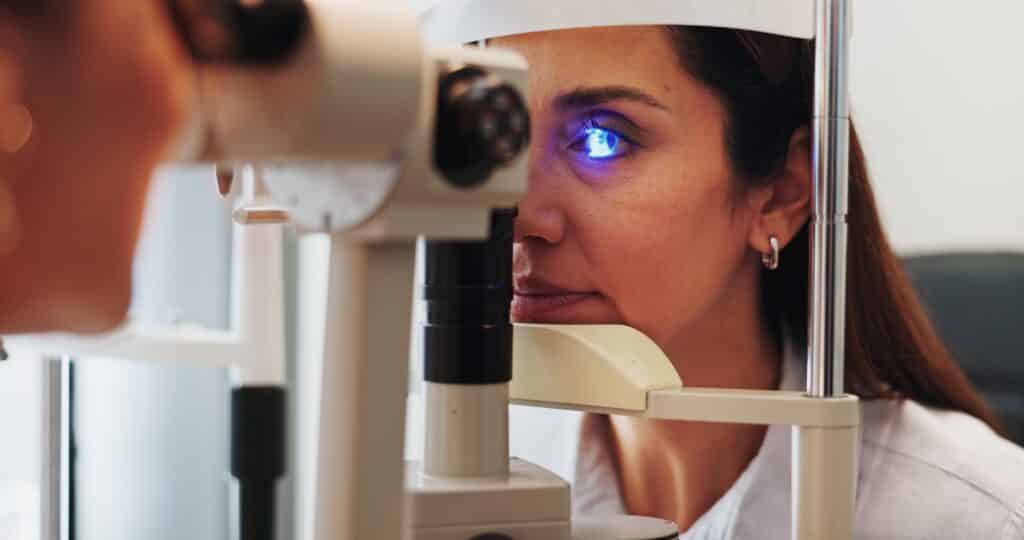
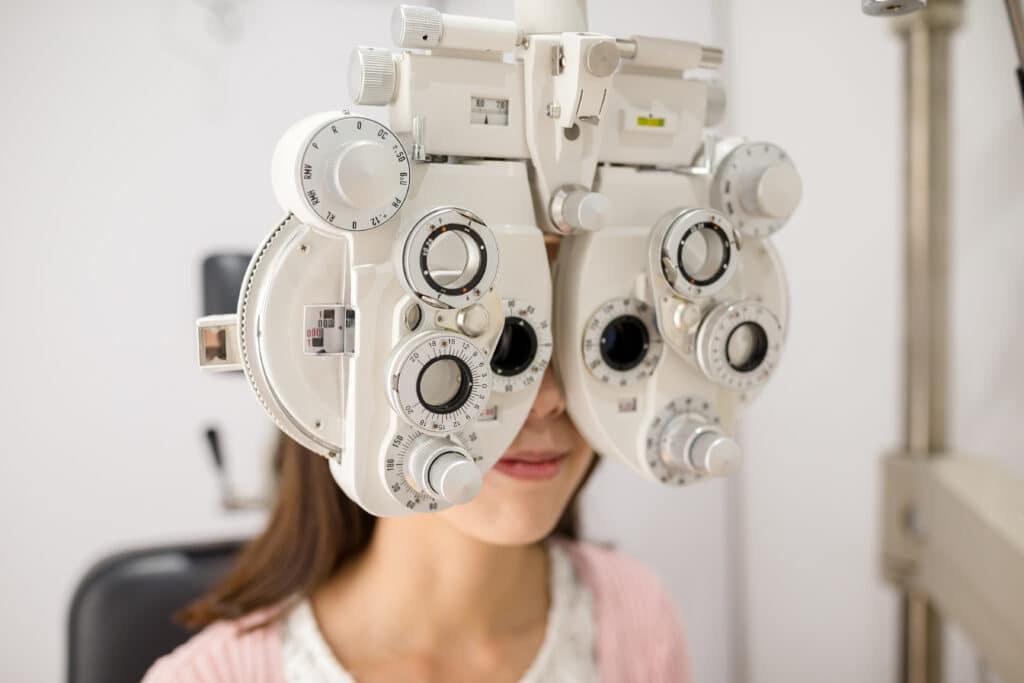
During a comprehensive eye exam, our optometrists will take a detailed patient and family medical history as well as perform a variety of tests to determine your vision and the health of your eye including:
If a medical eye condition or disease is discovered during your comprehensive eye exam, then a medical eye exam, and possibly specialized testing, will be required.
All of these refractive errors can be corrected with the use of prescription eyeglasses or contact lenses. If contact lenses are chosen, a contact lens fitting will be required. Tri-Century Eye Care has a wide selection of contact lenses to choose from and have several optical shops where you can browse eyeglasses. For those who prefer a more permanent solution, laser vision correction such as LASIK can be performed.